
The Everyday Economy of Survival in Today’s Cuba
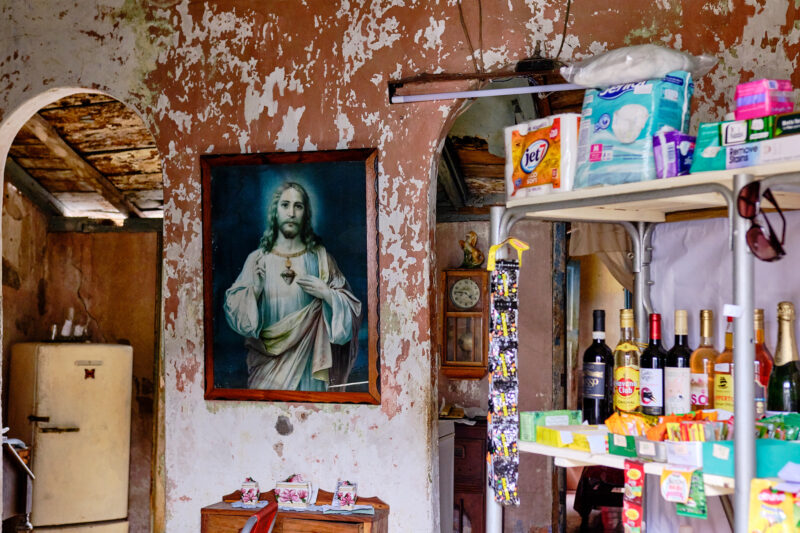
HAVANA TIMES — In many cities, there are clear boundaries between home, work, and public space. In Cuba today, those boundaries have become blurred. A living room can serve as a store; a front porch, a café; a sidewalk, a barbershop or an improvised marketplace. Economic activity has spread into every available corner of the city, transforming spaces originally intended for other purposes into places of work and commerce.
This phenomenon did not emerge by chance. As numerous state-run businesses—including grocery stores, hardware stores, and department stores—have closed or drastically scaled back their operations, thousands of small private enterprises have stepped in to fill the void. Rather than simply replacing these establishments, they have reshaped the urban landscape and changed the way citizens use shared public space.
The streets have become one vast, scattered marketplace. A bicycle carries an entire shop; an improvised table displays merchandise of every kind; a window serves as a storefront; a home opens its doors to sell food, clothing, or provide services. Where traffic once dominated, buyers, sellers, and neighbors now share a common space that is constantly being redefined.
These photographs do not seek to explain this process in all its complexity. They simply observe how the city adapts as traditional systems of commerce and employment evolve. Beyond the circumstances that gave rise to this transformation, this photo feature documents an everyday reality: the ability of Cubans to reinvent the spaces where they live and transform the city into a setting for survival, work, and human connection.
[ngg src=”galleries” ids=”2225″ display=”mosaic” animate_images_enable=”0″ animate_images_style=”wobble” animate_images_duration=”1500″ animate_images_delay=”250″ animate_pagination_enable=”0″ animate_pagination_style=”flipInX” animate_pagination_duration=”1500″ animate_pagination_delay=”250″]