
We Are All Runaway Slaves, We Are All Rumba Dancers
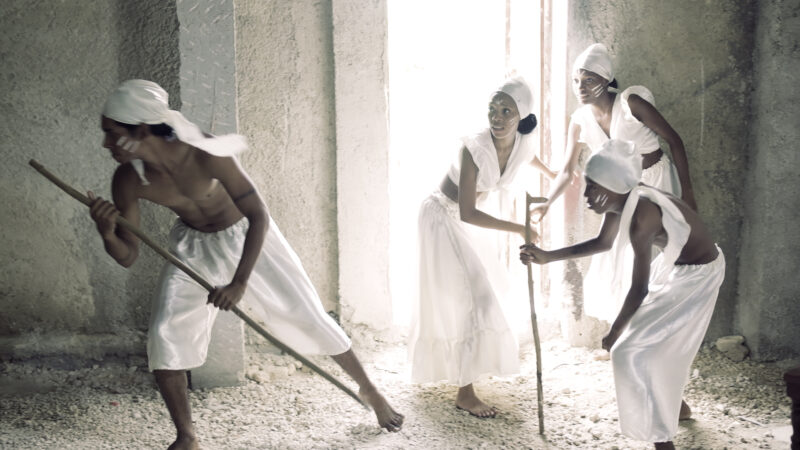
Timbalaye returns to Pueblo Nuevo, in Matanzas, with an edition dedicated to the memories of resistance among Black communities in Cuba.
HAVANA TIMES – Thirteen years after its first edition at the Callejón de las Tradiciones, the Timbalaye Festival, La Ruta de la Rumba (The Rumba Route), returned to Pueblo Nuevo, Matanzas, to celebrate its eighth edition. This year’s gathering, dedicated to cimarronaje (runaway slave resistance), brought together historians, writers, artists, and representatives of sociocultural projects involved in preserving Cuba’s African roots.
Timbalaye was founded in 2013 as a project based in Pueblo Nuevo. Its return thirteen years later once again provides a space for connecting rumba with the memory, history, and traditions inherited from communities of African origin.
One of the central events on the program was a panel discussion on runaway slave resistance, featuring provincial historian Dr. Hercilio Bento Canosa and representatives of cultural projects. National Literature Prize winner Miguel Barnet, who has spent decades studying and promoting cultures of African origin in Cuba, was also present.
During the discussion, attention turned to a less visible aspect of this history: the presence of runaway slave women. According to participants on the panel, their experiences have received less attention both in historical research and in fiction. From this perspective, the director of the project Por Amor a Mi Raíz (For the Love of My Roots) presented the work Cimarronas (Runaway slave Women), conceived as a way to recover these absent voices and bring them into the present from a feminist perspective.
The work also focuses on the particular forms of violence suffered by enslaved Black women. In addition to labor exploitation, many women forced into domestic service were victims of sexual violence at the hands of their masters, an experience frequently silenced in historical accounts. Some bore children because of these forced relations. The violence, the work points out, did not always take the same forms as it did with enslaved men: it could manifest itself through sexual abuse, humiliation, contempt, and other forms of subjugation within the large homes of wealthy white families.
In this way, Cimarronas seeks to broaden our understanding of resistance and remind us that the experience of enslaved women cannot be reduced to images of the whip and forced labor. Their bodies were also territories of domination, but their stories of resistance, survival, and dignity form part of the memory of runaway slave resistance.
As part of this same effort to reconnect the present with the memory of ancestors, the Turbanteras project was presented, led primarily by Afro-descendant women who have made turbans a visible expression of identity and pride.
The colors, shapes, and different ways of wearing them evoked a heritage that transcends fashion to become a symbolic link with ancestors and African roots. After centuries of stigmatization of Black bodies, features, and cultural expressions, displaying them with pride can also be a way of reclaiming memory and affirming an inherited identity.
The event also had a visual dimension. Visual artists Emilio O’farri and Adrian Gomez Sancho created their works live, turning the creative process itself into part of the encounter with the public.
Amid these conversations, one phrase summed up much of the spirit of the day: “We are all runaways, and we are all rumba dancers.” The expression creates a bridge between a history marked by resistance and a cultural expression that remains alive in Cuban communities.
In this context, rumba and Yoruba drumming appear not merely as music and dance, but as spaces of memory and cultural transmission. Their instruments, movements, songs, and forms of gathering maintain links to a heritage that survived slavery and continues to evolve in the present.
Timbalaye’s return to Pueblo Nuevo, thirteen years after that first gathering at the Callejón de las Tradiciones, offers another opportunity to look back toward those roots. This eighth edition places runaway slave resistance at the center of the conversation, reminding us that this history does not belong exclusively to the past: it also lives on in cultural expressions, family memories, bodies, art, and voices that are still seeking to be heard.
[ngg src=”galleries” ids=”2247″ display=”horizontal_filmstrip”]