
Minimum Wage in Cuba to Rise to almost US $5.00 a Month!
The government calls it an achievement of its revolution.
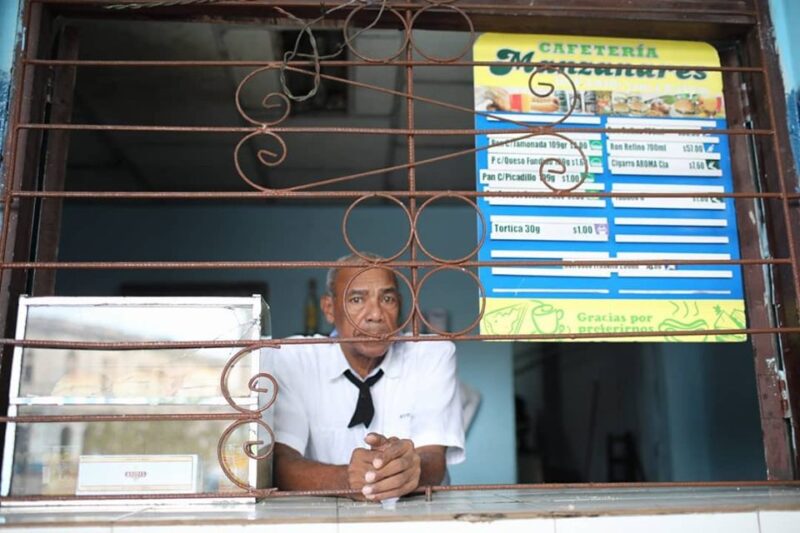
HAVANA TIMES – On July 3, Cuba’s Minister of Labor and Social Security, Jesus Otamendiz Hernandez, announced what he described as “good” news. The government increased the minimum wage from 2,100 to 3,210 pesos.
“If we are increasing the country’s minimum wage, every company in Cuba will also have to ensure that any worker earning less than the new minimum is brought up to the approved level. It is a minimum wage that cannot be violated,” the official said.
However, celebrations over this 53% increase are likely to be quite muted. Calculated at the current informal market exchange rate of 650 pesos to the US dollar, the increase amounts to just US $1.70, bringing Cuba’s monthly minimum wage to US $4.93.
Yes, per month. You read the headline and the previous paragraph correctly. This is not an increase to five dollars a day or a week, much less five dollars an hour. The many Cuban workers who earn the minimum wage in state institutions and companies will now receive the equivalent of just under five US dollars a month.
Most Cubans do not pay rent, which provides some advantage when it comes to survival. However, subsidies for basic utilities, many essential food items, and medications are being phased out. The prices of consumer goods can be as high as—or even higher than—in other countries because they depend on imports. Moreover, although Cubans are paid in pesos, many state-run and private stores now sell their products only in foreign currency or at the peso equivalent of the US dollar.
To give an idea of what those 3,210 pesos can buy: a tray of 30 eggs costs between 2,500 and 5,000 pesos in Cuba, depending on the province and the degree of scarcity. In another example, an entire month’s minimum wage would buy between 10 and 20 pounds of rice.
For decades, wages in Cuba—from street sweepers to doctors—have been nowhere near enough to feed and clothe a family, much less repair a cracked wall or fix a leaking roof. That gap has given rise to a culture of informal income, whether by stealing from one’s workplace or earning money through under-the-table activities. Another lifeline is having relatives abroad who send remittances.
I remember a dear friend, now deceased, telling me nearly a decade ago about the interviews he conducted with job applicants at the hospital where he worked in Havana. He said that many candidates openly asked about the opportunities to earn additional income through the position, beyond the job itself and the salary. If the job did not offer some opportunity to “make ends meet” through unofficial means, they simply considered it unattractive.
With inflation continuing to erode the purchasing power of wage earners, few people view the minimum wage increase announced last week as a cause for celebration.
Read more from the diary of Circles Robinson here on Havana Times.