
A Shot of Coffee: A Tradition Cuba Refuses to Give Up
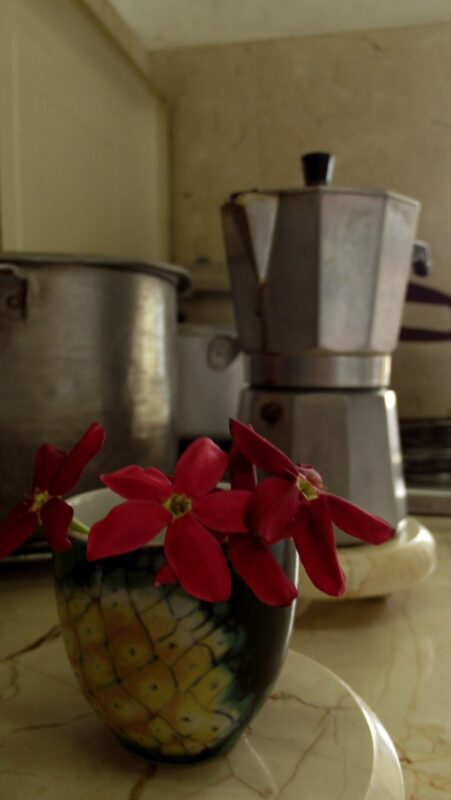
HAVANA TIMES – This morning I’m holding a little cup of coffee. It’s a simple gesture, almost automatic, but there are moments when a single cup can make time stand still. The aroma rises slowly from the stove top expresso maker, warm and rich, with that fragrance that seems to awaken memories before it stirs the senses. There is something intimate about the first sip: a blend of calm, nostalgia, and companionship. Coffee has that remarkable ability to fill a space long before it reaches your lips.
As I drink it, I think about everything a small cup can hold: a peaceful dawn, an overdue conversation, a family memory, the presence of someone who is no longer here. Coffee is not merely a beverage; sometimes it is a way of returning to places and to certain people.
Perhaps that is why it means so much in Cuba.
Because for a Cuban, coffee has never been just coffee. It is the sound of the coffee maker in the kitchen, the aroma that announces the house is waking up, the invitation extended to a visitor who hears the simplest of questions: “Would you like a little coffee?” It is a gesture of welcome, a shared pause, a way of telling someone there is time to sit and talk.
From childhood, many Cubans learned that a cup of coffee could bring the family together. That the first cup of the morning carried something of a ritual and filled you with energy. That a little sugar, the perfect strength, and the way it was brewed could embody the identity of a household.
But today, that custom, so deeply rooted in Cuban life, coexists with a difficult reality.
For many families, finding coffee has become a constant search. A product that for years accompanied daily routines can now represent a real sacrifice in an economy where every expense must be carefully weighed. High prices, limited availability, and the difficulty of obtaining it have changed many people’s relationship with that small cup that once seemed guaranteed.
Now coffee is rationed. People keep track of how much is left in the package. They decide when it is worth making a pot. They save it for a special visit or for a morning when they need an extra boost of encouragement. In some homes, people stretch it by blending it with other ingredients or simply using less—not because they have stopped loving coffee, but because reality demands adaptation.
Even so, the tradition endures.
There is something profoundly Cuban about offering coffee even when there is very little left. It is about sharing what you have. About turning a small cup into a long conversation. Because the value of coffee has never been found solely in the beans, but in everything that happens around them.
Cuba also has a long history tied to coffee. Its mountains, coffee plantations, and the work of generations of growers are all part of a tradition that has left its mark on the nation’s culture. To speak of coffee is to speak of the land, of hard work, of farm families, and of a relationship between people and nature that, for a long time, defined entire regions of the country.
But between the coffee plantation and the cup lies a complicated journey. Production, costs, distribution, imports, and economic hardships have made that connection increasingly fragile. A product once associated with everyday life can suddenly become something that many people must search for, compare, and pay a high price to obtain.
Behind every cup is a story that does not always appear in the statistics.
There is the grandmother who still prepares coffee the same way she learned decades ago. There is the family talking around a small table. There is the person who saves a little to share with someone they love. There is that moment when the aroma fills the house and, if only for a few minutes, seems to restore a sense of normalcy.
Coffee in Cuba is liquid memory. Its aroma carries names, voices, and places. Its absence reveals the hardships of the present. Its preparation keeps alive an everyday ritual that many people refuse to let disappear.
Perhaps that is why a buchito—a little cup of coffee—can mean so much. Because within that small amount there is far more than a hot drink: there is family, friendship, nostalgia, and a distinctly Cuban way of being together.
As long as there is someone willing to brew a little coffee and share it, coffee will remain much more than just coffee.
Read more from the diary of Safie M. Gonzales here on Havana Times.