
My Mother’s Nightmarish Bus Trip Home to Camaguey
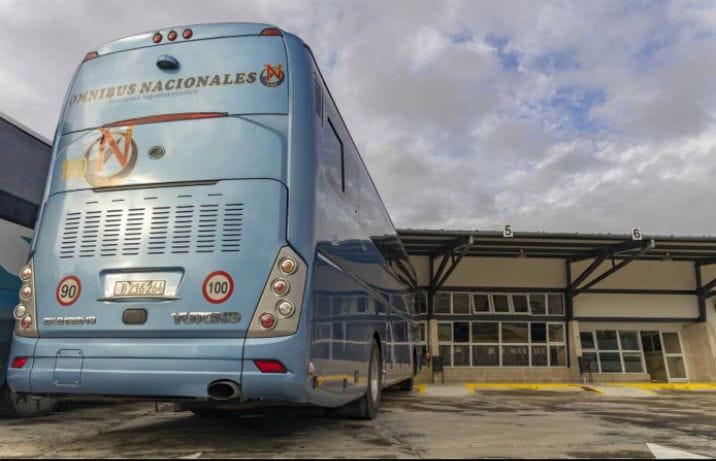
HAVANA TIMES – My mother was in Havana for only a few days. After more than a year without seeing each other, her visit was a brief interlude, a breath of fresh air amid the everyday desolation. She arrived, we saw each other, talked, laughed as much as we could, and then she left. She returned to Camagüey two days before all domestic bus tickets were suspended.
Now there are no trips, no dates for when they might resume, and no fuel. All that remains is waiting—that Cuban habit of waiting without knowing exactly what you are waiting for.
My mother’s return journey began with a delay that already seemed like an omen. The bus was supposed to leave at two in the afternoon, but it did not depart until 4:30. It was not because of traffic or a mechanical breakdown; the bus simply had no fuel. Two and a half hours lost before even setting off, waiting for someone, somewhere, to solve the problem of filling the tank.
Three weeks have passed since that trip, three weeks since I last saw her. I don’t know when I will see her again. The hug we shared that day felt so brief and fleeting, when I wished it could have lasted forever.
I wasn’t planning to tell this story. It embarrasses me, perhaps because the shame is not hers but belongs to the backdrop surrounding it. Yet the return journey became a map of what we are: a country at a standstill, an endless highway, a bus lurching forward through rain and police checkpoints.
The first stop was at the entrance to Sancti Spíritus. There, the police inspect the goods passengers are carrying. They look for what they call “illicit enrichment”: several pounds of cheese, meat, or anything else someone may be transporting in quantities that, in their logic, could be considered a crime. The officers’ hands search through bags, suitcases, amid the passengers’ silence. No one says a word. The bus waits. The highway waits too.
Then came the rain. It arrived suddenly, driven by the wind, as the bus made its way down the road. Part of the roof came loose with a sharp crack, like a gunshot, and flew into the air. The bus kept moving while water poured through the opening left behind. Inside, everything began to get soaked. “It rained harder inside than outside,” goes the old saying, and this time it was literally true.
The seats were drenched, and the floor became slippery. My mother had to stand for two hours because her seat was one of those directly beneath the leaking water. Passengers kept moving around, searching for a dry place that simply did not exist. Some even opened umbrellas inside the bus—an absurd image no one will forget, brightly colored umbrellas beneath the roof of a bus that was literally falling apart.
Seeing that the rain showed no sign of letting up, the driver pulled under a large bridge for partial shelter. They stopped there and waited for the downpour to ease. The sound of the rain pounding on the bus roof was like a drumbeat—monotonous and relentless. More hours passed. Time stretched out, becoming elastic, pointless.
What should have been a five-hour trip had already stretched to more than ten. It was the middle of the night when they finally reached Ciego de Ávila. And there, another stop. Police. They took away one of the drivers without offering any explanation. No one knew why. Two more hours of waiting, this time because regulations prohibit a bus from continuing with only one driver. So, they waited until another driver arrived. The passengers stared at their watches, at the night, at nothing.
At the entrance to Camagüey, yet another police patrol stopped the bus. Then something even more bewildering happened: they brought back the driver who had been detained hours earlier. Again, without any explanation. No one asked any questions. Everyone remained silent. The atmosphere was tense, somber, as though everyone understood that words were useless.
They continued on.
They arrived in Camagüey while the entire city was in the middle of a blackout. Darkness covered everything: the streets, the houses, people’s lives. My mother stepped off the bus, and there was no light to welcome her home. Only silence and the smell of rain-soaked earth.
Three weeks have passed since that journey. I still don’t know when I will see her again.
Read more from the diary of Safie M. Gonzales here on Havana Times.