
Banished Nicaraguans Stranded in Guatemala, Two Years After
Former political prisoners
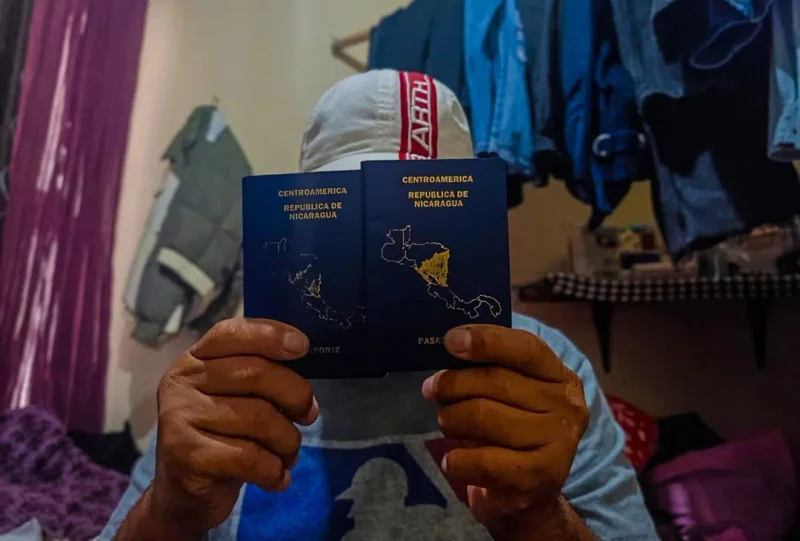
Two years after their exile, a group of Nicaraguans has still been unable to resettle in a third country. Fabricated criminal charges are an obstacle to obtaining asylum.
HAVANA TIMES – Two years after the dictatorship of Daniel Ortega and Rosario Murillo exiled 135 former political prisoners to Guatemala in September 2024, most have managed to relocate to the United States, Canada, or Spain. However, a group of at least 20 Nicaraguans remains stranded in Guatemala, caught between a lack of documentation, informal subsistence jobs, and the stigma of criminal records fabricated by the Ortega-Murillo regime.
A CONFIDENCIAL team traveled to Guatemala to learn firsthand the stories of these exiled Nicaraguans. Víctor Carranza, Isaias Ruiz, and a former political prisoner who asked that his identity be protected under the pseudonym “Jairo” are among the Nicaraguans stranded in the Guatemalan capital. Despite having been declared stateless and stripped of their rights by the dictatorship, the charges against them have weighed heavily on their resettlement cases.
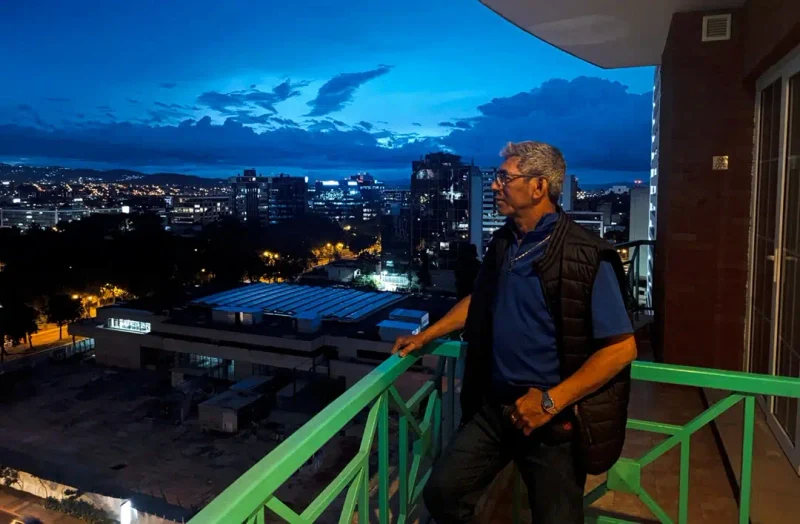
Fabricated Crimes Close Doors to Them
The fabricated charges include terrorism, drug trafficking, money laundering, and child pornography.
Isaías Ruiz, 59, notes that political persecution ended his teaching career in Nicaragua and forced him to sell bread from a tricycle on the streets of Managua before he was imprisoned in October 2023. Today, in Guatemala, he faces rejection for resettlement because of a serious crime fabricated by the regime.
“The crime they charged me with was child pornography. Those are the kinds of charges that, if you go to another country and they show them your file, that country wouldn’t want to take you,” Ruiz explains. “But I hold my head high. I feel dignified because I have never committed a crime,” he says.
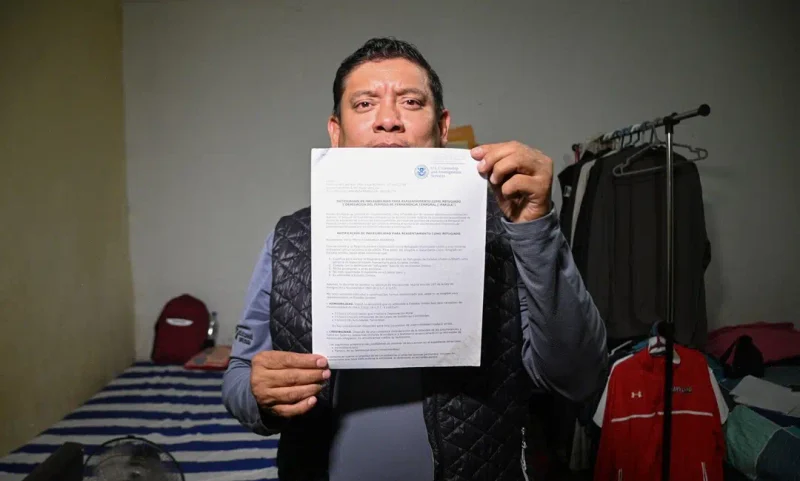
Víctor Carranza, 42, faces a similar situation. The dictatorship accused him of drug trafficking. According to Carranza, when he received the decision from international agencies regarding his application to travel, the criminal record attributed to him by the Nicaraguan regime was cited as the main reason for the rejection.
In the case of “Jairo,” who was exiled after spending more than a year in prison for alleged money laundering, the agencies’ rejection also included prejudice over his physical appearance: a tattoo he got when he was 14 was interpreted during his interviews as evidence of ties to gang culture.
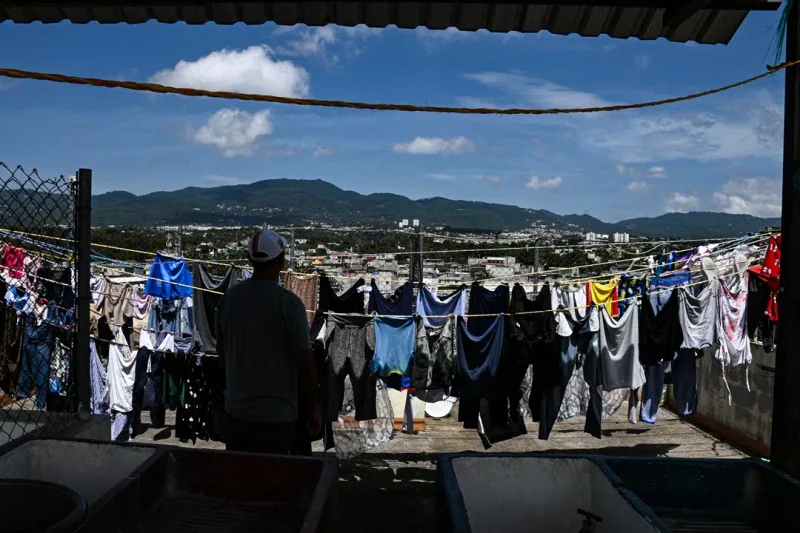
Without Documents and Struggling to Survive
Without work permits or Guatemalan identity documents, the group survives under difficult conditions. Most live in shared rooms on the outskirts of Guatemala City, paying rents ranging from US $26 to $300 a month, supported by informal jobs in construction or as security guards that bring in barely $300 a month.
“If we pay the rent, we don’t eat. If we eat, we don’t pay the rent. It’s a very sad situation,” Carranza laments. He has been unable to send financial support to his daughter in Nicaragua.
Their economic hardship is compounded by health problems and unexpected medical expenses. Carranza suffers from hypertension and frequently interrupts his treatment because he cannot afford his medication. “Jairo,” who has diabetes, nearly lost his right foot after a severe infection and was able to pay for surgery only thanks to the charity of a local religious community.
Institutional Silence
Those affected say that the International Organization for Migration (IOM) and the United Nations High Commissioner for Refugees (UNHCR) have forgotten about them, implicitly lending credibility to sentences handed down by courts controlled by the dictatorship in Nicaragua.
Asked by CONFIDENCIAL about the situation, UNHCR responded that the agency does not comment on individual cases. However, it noted that the authority to admit refugees rests exclusively with each country’s policies.
“While UNHCR may identify and submit cases for resettlement consideration when appropriate, the final decision on the admission of refugees, as well as eligibility criteria, available quotas, and priority profiles, are determined sovereignly by the resettlement States,” UNHCR told CONFIDENCIAL by email.
Faced with family separation, the harassment suffered by their relatives in Nicaragua, and the legal limbo in which they find themselves, this group of Nicaraguans is appealing for international solidarity to secure dignified resettlement and clear their names.
First published in Spanish by Confidencial and translated and posted in English by Havana Times.