
Masculinity & Rodeo During Chile’s Independence Festivities
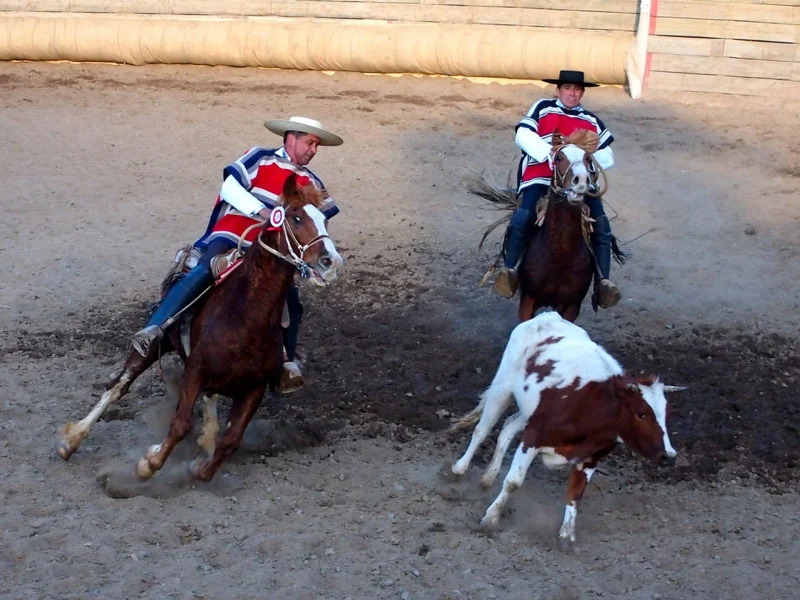
HAVANA TIMES – Every September 18 in Chile, rodeo returns as a symbol of “what is ours” during the country’s Independence Day celebrations. Horses, cowboys, folklore, flags, and an idea of tradition that seems to require few questions. But I find it increasingly difficult to watch rodeo without also asking myself about the kind of masculinity we are celebrating.
Because the huaso (cowboy) is not merely a folkloric figure. He also represents an ideal of manhood: strong, brave, resilient, competitive, skilled, and, above all, capable of controlling whatever is in front of him.
In rodeo, that ability to control becomes a spectacle. The man demonstrates his skill by controlling the horse and steering the steer. There is competition, risk, recognition, and a constant display in front of other men.
And there, for me, we see a fairly clear expression that being a man means demonstrating strength, exercising control, competing, and being capable of imposing oneself on other bodies.
For a long time, we were taught that being a man means enduring, not showing fear, competing, imposing ourselves, and demonstrating strength. And that the greater our ability to dominate, the more manly we were.
That is where rodeo challenges me. Why do we need to demonstrate our strength over another body? Why can the suffering of an animal be turned into spectacle, competition, and pride?
We cannot question relationships of domination among human beings while at the same time accepting as natural the use of other animals as instruments for our entertainment.
For me, this connects with an idea I have been exploring: the masculinity of death. A masculinity that finds its identity in dominating, competing, subjugating, and demonstrating its ability to impose itself on other bodies.
Perhaps we need to begin imagining another way of being men. A masculinity that does not need to prove its worth by striking, dominating, or enduring the suffering of another living being. A masculinity capable of caring without feeling that doing so makes it weaker.
This September 18, I don’t want to ask myself only which Chilean traditions I would want to preserve. I also want to ask what kind of masculinity we want to continue celebrating. Because perhaps transforming our traditions is also a way of transforming the way we are men.