
Varadero After Tourism
HAVANA TIMES – Cuba’s leading sun-and-beach destination is facing a sharp decline in visitors, hotel closures, the energy crisis, and the loss of purchasing power among Cubans.
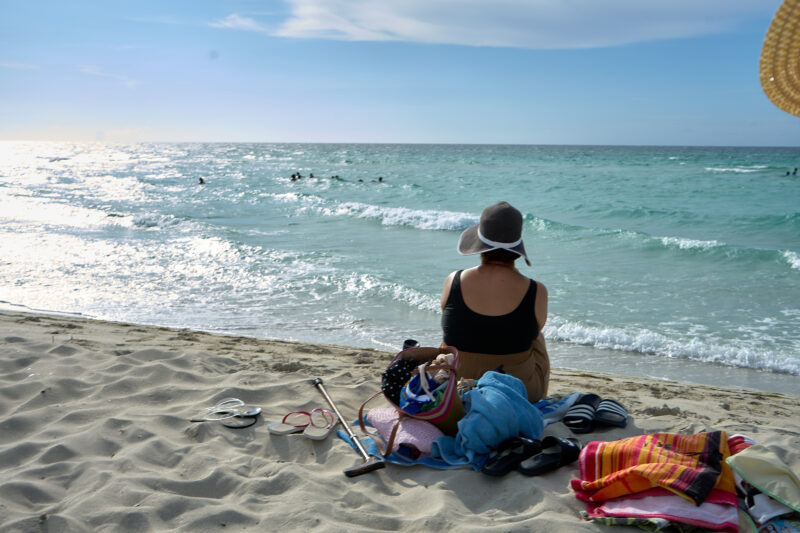
Varadero still has what for decades made it one of the Caribbean’s leading tourist destinations: a long stretch of white-sand beach, clear waters, and infrastructure designed to accommodate large numbers of visitors.
What has changed is the activity taking place around that beach.
Closed hotels, suspended flights, workers sent home, less activity, and growing difficulties in securing fuel and electricity are now part of the landscape at one of Cuba’s main tourist hubs.
The transformation did not begin in 2026. The current crisis is the result of several years of decline, worsened by the pandemic, Cuba’s economic and energy crisis, and, more recently, the tightening of United States sanctions.
Varadero offers an especially clear view of this process. A study on the evolution of the resort recorded 54 hotels and villas in 2010, 47 of them beachfront properties. Other research has indicated that the resort once accounted for around 41% of tourists staying in Cuba.
When the country’s leading sun-and-beach destination contracts, the tourism crisis ceases to be merely a statistic and takes on a visible national dimension.
From More Than Four Million to Fewer Than Two
Cuba received 4.26 million international visitors in 2019, before the pandemic. The subsequent recovery never returned to those levels.
In 2023, 2.44 million visitors arrived, followed by around 2.2 million in 2024. In 2025, the figure fell to approximately 1.8 million, 17.8% fewer than the previous year.
The decline accelerated during 2026. In the first quarter of the year, Cuba received 298,057 international visitors, 48% fewer than during the same period in 2025. In March, just 35,561 foreign tourists arrived.
The impact on Varadero was immediate.
Fewer Tourists, Fewer Hotels
In February 2026, shortages of fuel for aviation and transportation forced a reorganization of the tourism infrastructure. Cuba began temporarily closing certain hotels and concentrating visitors in other properties, especially in Varadero and the northern cays.
Reports published at the time indicated that of the approximately fifty hotels in Varadero, only around twenty remained operational.
Occupancy also plummeted. In May, tourism industry executives put hotel occupancy in Varadero and Havana at around 20%. The figure comes from statements by officials rather than from an official statistical specifically for Varadero, so it should be regarded as a snapshot of the situation at the time.
The problem, therefore, was not simply that there were fewer people on the beach. There was an enormous tourism infrastructure operating far below capacity.
The consequences also reached international companies.
Melia announced in June that it was ending operations at 15 Cuban hotels, including Paradisus Varadero and Melia Peninsula Varadero. In July, it completed its withdrawal from Cuba. Iberostar, also from Spain also scaled back its operations and left several properties.Llikewise, Blue Diamond of Canada ceased to operate in Cuba.
After decades of expansion, some of the major hotel chains that helped build Cuba’s tourism model stopped operating on the island.
Fuel at the Heart of the Crisis
Varadero’s situation cannot be separated from the energy crisis.
A tourist destination needs fuel for practically everything: airplanes, buses, taxis, excursions, food distribution, worker transportation, and backup electricity generation.
When aviation fuel became scarce, several airlines reduced or suspended their flights to Cuba. Fewer flights meant fewer visitors and more hotels without guests.
But the problem also reached the hotels themselves.
For years, Varadero received priority in the allocation of electricity because of tourism’s importance, and many hotels have generators. However, generators also need fuel.
The nationwide electricity crisis, which during 2026 caused repeated collapses of the power grid, eventually affecting even a destination that historically enjoyed special protection.
The difference is that a hotel may have its own generator, but a generator without fuel does not solve the problem either.
The Workers Behind the Empty Rooms
Closed hotels are not simply buildings without guests.
They represent lost jobs.
In May 2026, hotel executives in Varadero acknowledged that a significant portion of their workforces had been sent home because of low occupancy. At Paradisus Varadero, more than half of its 886 employees were no longer actively working, according to statements reported at the time.
The impact extends to other sectors: taxi drivers, restaurants, vendors, artisans, guides, maintenance workers, and excursion operators.
The decline in tourism reduces a much broader chain of income than that generated by hotels alone.
And what about Cubans?
For decades, Varadero was also a recreational destination for Cubans themselves. Not everyone could afford a hotel, but there were alternatives: spending the day at the beach, eating at establishments with different price ranges, or making use of recreational and commercial facilities.
Today, getting there is more difficult and expensive. Transportation has deteriorated, fuel is scarce, and the purchasing power of Cuban salaries has declined considerably.
Domestic tourism has not disappeared, but the average Cuban’s ability to afford it has diminished.
The difference compared with foreign tourists is significant: an international visitor can decide not to travel to Cuba; a Cuban may want to travel to Varadero but simply have no way to get there or be unable to afford it.
Varadero’s Recreational Facilities Have Also Deteriorated
The transformation is visible outside the hotels as well.
The Todo en Uno recreational center, on 54th Street, was for years one of Varadero’s popular entertainment venues. A report published by CubaNet in 2024 described it as poorly supplied, with many of its rides and attractions out of service.
Also worth examining is the area of the former “Park of 8,000 Cubicles,” between 44th and 46th streets, another historic center of services and urban activity.
Rather than trying to recapture a nostalgic image of these places, what matters is finding out what remains of them: what still operates, what has closed, what has been replaced, and who currently uses these spaces.
Trump and a Crisis That Already Existed
The current situation also cannot be understood without considering US policy.
The Trump administration tightened restrictions on Cuba during 2025, including those related to US tourism and companies linked to the military business conglomerate GAESA. In 2026, it increased pressure on oil supplies to the island.
These measures have further complicated the financial and energy conditions facing the tourism industry and have contributed to the departure of international companies.
But attributing the entire tourism crisis to Washington would be an oversimplification.
Cuban tourism had already been losing momentum before the most recent measures. The pandemic brought activity to a halt; then came inflation, fuel shortages, infrastructure problems, blackouts, and declining purchasing power.
US sanctions worsened a crisis that was already underway.
Varadero After Tourism
The paradox is that the fundamental resource remains.
Varadero continues to be an internationally renowned beach. In Tripadvisor’s 2025 Travelers’ Choice rankings, it appeared among the world’s ten best beaches.
The quality of the water does not depend on hotel occupancy. The sand does not need fuel.
But everything built around that beach does: airplanes, buses, generators, hotels, restaurants, transportation, logistics, and workers.
For decades, Varadero was one of Cuba’s main windows to the outside world and, at the same time, one of the country’s major recreational destinations for Cubans.
Today, both functions have been weakened.
Foreign tourists are arriving in much smaller numbers. International operators are abandoning properties. Hotels are operating way below capacity. Workers are losing their jobs or being temporarily sent home. And for many Cubans, getting to Varadero and spending money there is becoming increasingly difficult.
The beach remains the same. What is changing is the country that surrounds it.
[ngg src=”galleries” ids=”2241″ display=”mosaic” animate_images_enable=”0″ animate_images_style=”wobble” animate_images_duration=”1500″ animate_images_delay=”250″ animate_pagination_enable=”0″ animate_pagination_style=”flipInX” animate_pagination_duration=”1500″ animate_pagination_delay=”250″]
Che knew why he never wanted to adopt “Lenin’s philosophy ” but Fidel wouldn’t listen, adopting Marx would have been better.
As a resident of Matanzas that is essentially the workforce of Varadero I have to tell you that we are all happy that all the prostitutes and the men that control those prostitutes are gone. Both groups are out of “jobs”. This is good for our Cuban sanity.
Cling to Che might have something to do with it.